Polyurea vs. Polyaspartic vs. Epoxy: What Is the Difference?
Epoxy is the most affordable and most common for residential garages. Polyaspartic cures in hours instead of days and resists UV yellowing better. Polyurea is the most flexible and fastest-curing, often used as a topcoat over epoxy in commercial and industrial settings. Most DFW homeowners choose epoxy or polyaspartic; polyurea shows up most in high-traffic commercial floors.
Side-by-Side Comparison
Here’s how the three systems stack up on the factors that matter most.
| Factor | Epoxy | Polyaspartic | Polyurea |
|---|---|---|---|
| Cure Time | 24–72 hrs | 2–4 hrs | 1–2 hrs |
| UV Stability | Can yellow | UV stable | UV stable |
| Cost per Sq Ft | $4.50–$9 | $6.50–$10 | $8–$14 |
| Best Use | Residential garages | Garages, patios | Commercial/industrial |
Not sure which system fits your floor?
When Epoxy Makes the Most Sense
Epoxy is the workhorse of residential flooring — it’s chemical-resistant, easy to customize with color and flake, and costs less than polyaspartic or polyurea for the same square footage. The tradeoff is a longer cure window and a small risk of UV yellowing in floors that get direct sunlight, like a garage with the door open most of the day.
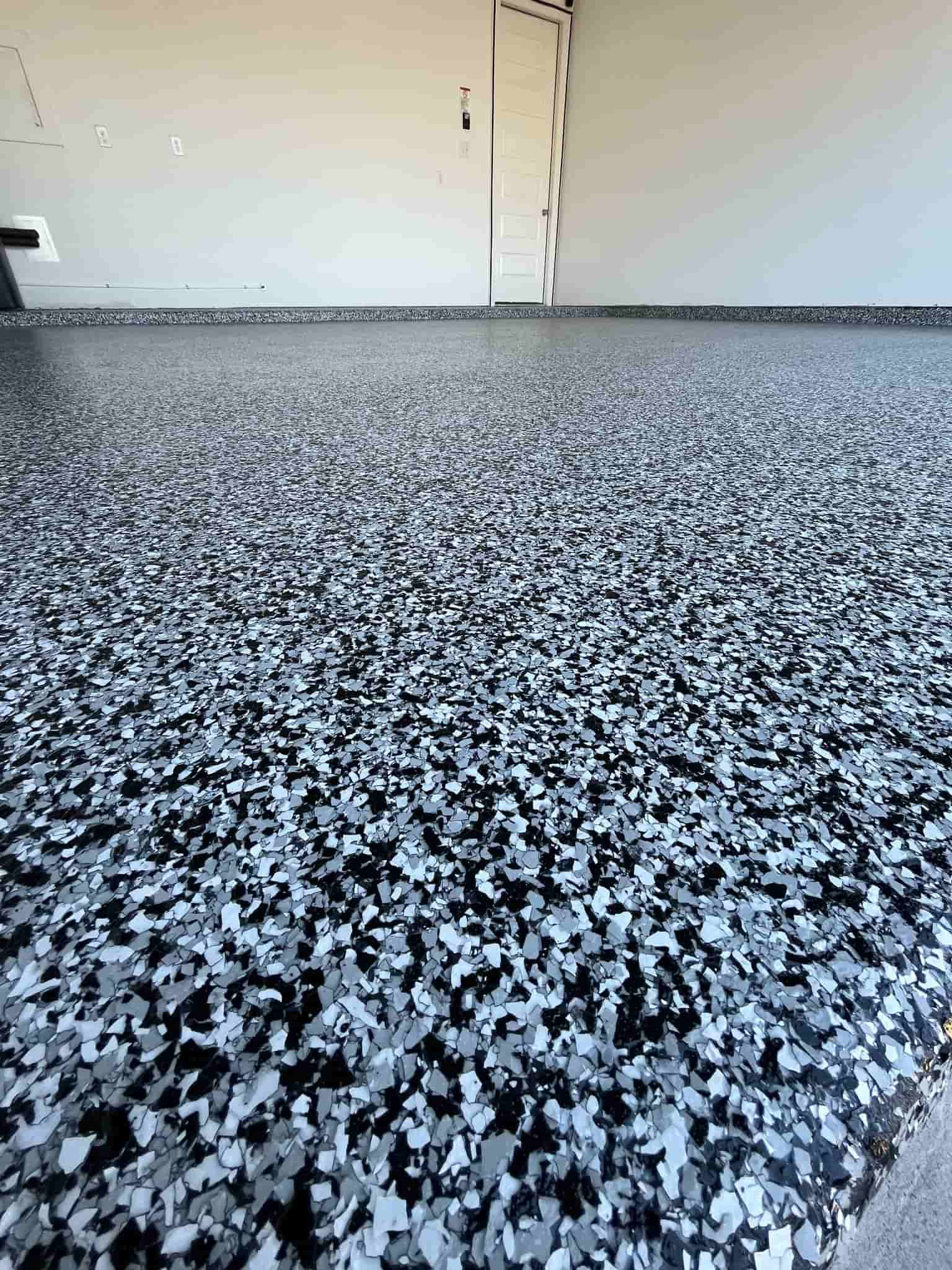
For most DFW garages, basements, and patios, epoxy is the right call — especially paired with a chip-flake topcoat for extra texture and slip resistance.
A McKinney homeowner wanted their garage floor done and driveable the same weekend. We recommended polyaspartic specifically for its fast 2-4 hour cure — they were parking on it again in less than 24 hours.
Where Polyurea Fits In
Polyurea’s biggest advantage is flexibility and speed — it can handle thermal expansion and heavy impact better than epoxy alone, which is why it shows up most as a topcoat in warehouses and manufacturing facilities with forklift traffic. For a typical residential garage, the extra durability usually isn’t worth the added cost.
Curious what other DFW homeowners chose and why?
FAQ — Coating Systems
Polyurea vs. Polyaspartic vs. Epoxy FAQ
Get a Coating Recommendation for Your Floor
Tell us about your space and we’ll recommend the right system — plus 10% off when you submit.
4162 Peace Dr, Frisco, TX 75034
(469) 850-0660 — Call Center 24/7
Installs: Mon–Sat, 7:00am – 7:00pm
Resources
Residential
Commercial
Industrial